
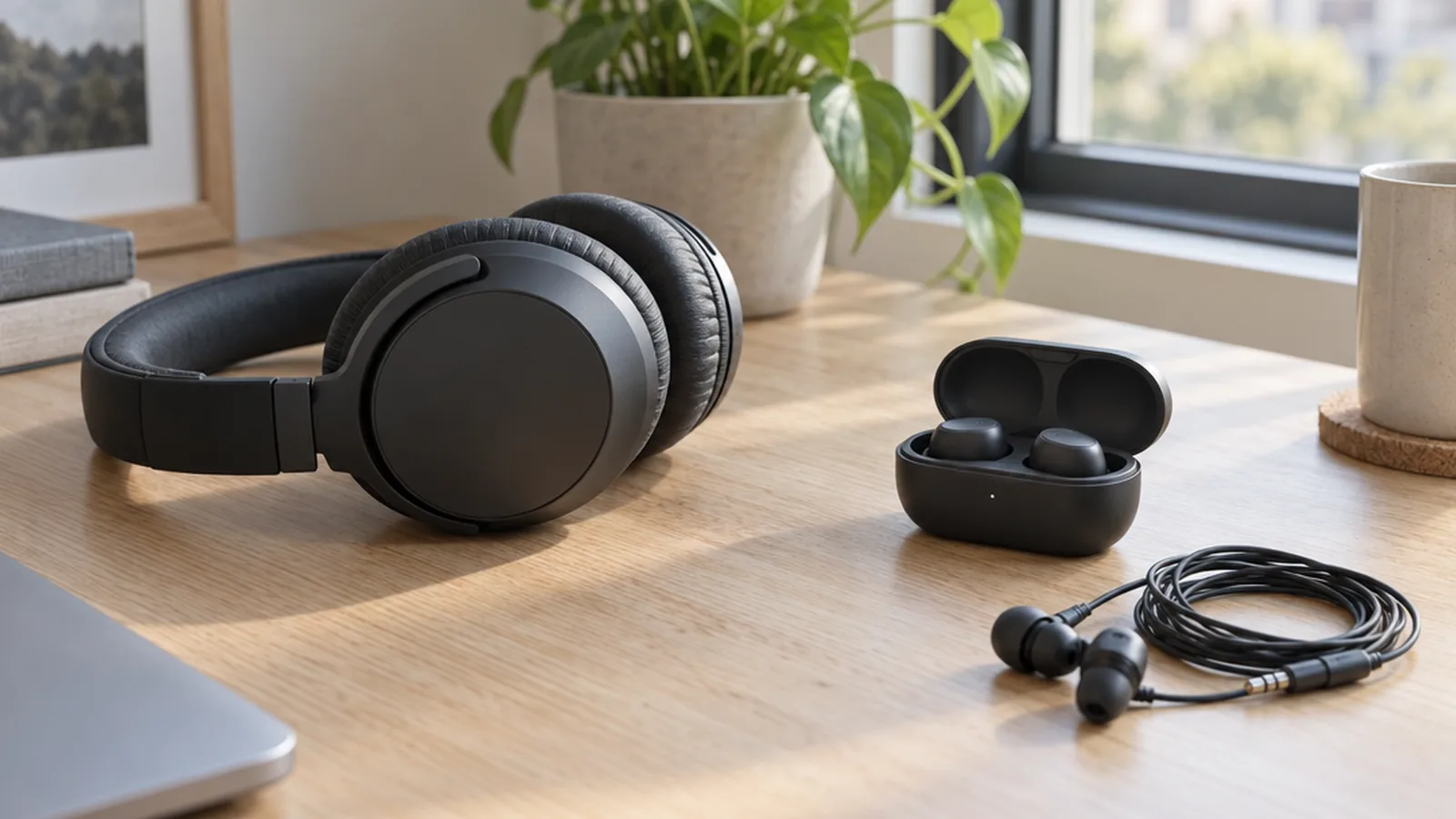
Headphones are the piece of audio kit most of us use every day, and also the one where it’s easiest to buy the wrong thing. This section brings together guides to over-ear, on-ear and in-ear headphones and earphones, from budget picks to specialist sets for drummers, pilots, gamers and children. The aim is to help you match a pair to the way you actually listen, not to whichever specification looks most impressive.
What you’ll find in this section
You’ll find roundups organised by use and by budget, single-model reviews and plain explanations of the different types and what their specifications mean. There’s also practical advice on comfort, fit and looking after your headphones so they last. Prices are given in pounds for the UK market, but they change often, so always check the current price before you buy.
The main sub-topics
The guides here are grouped under three main sub-topics, with general headphone guides listed alongside them.
Earphones
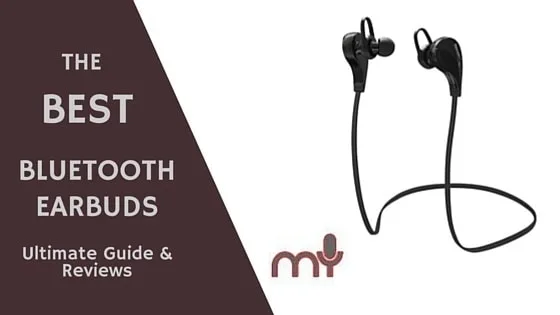
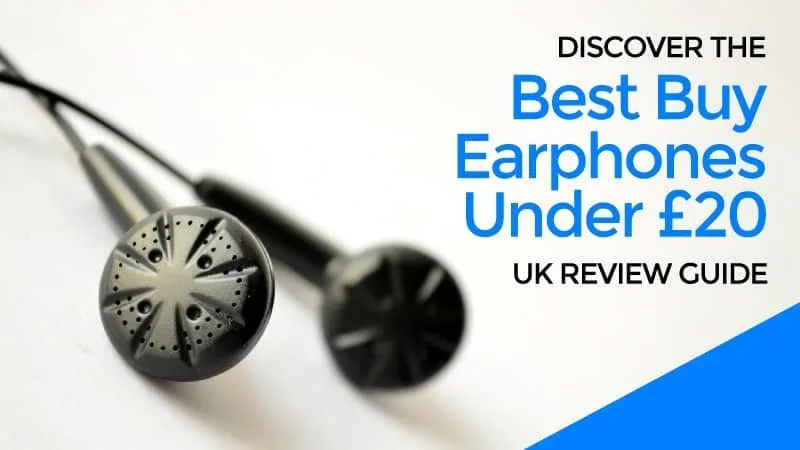
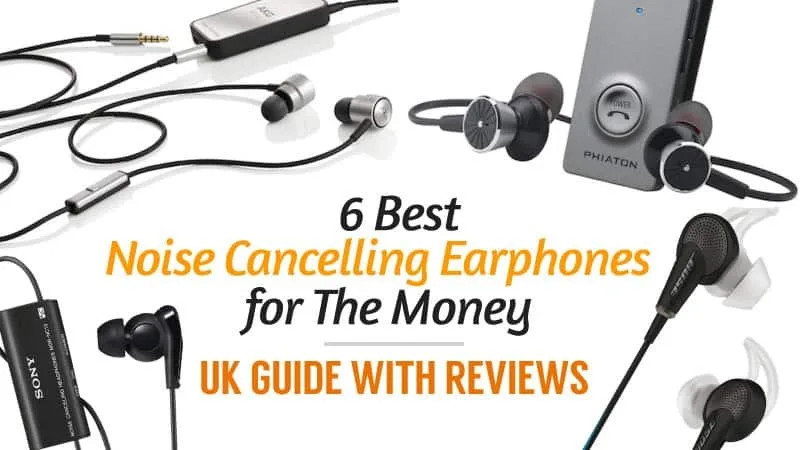
Earphones sit in or just outside the ear, which makes them small, light and easy to carry. This sub-topic covers wireless and wired earphones, noise cancelling models, bass-heavy sets, clip-on and retractable designs, and budget choices.
Sports Headphones
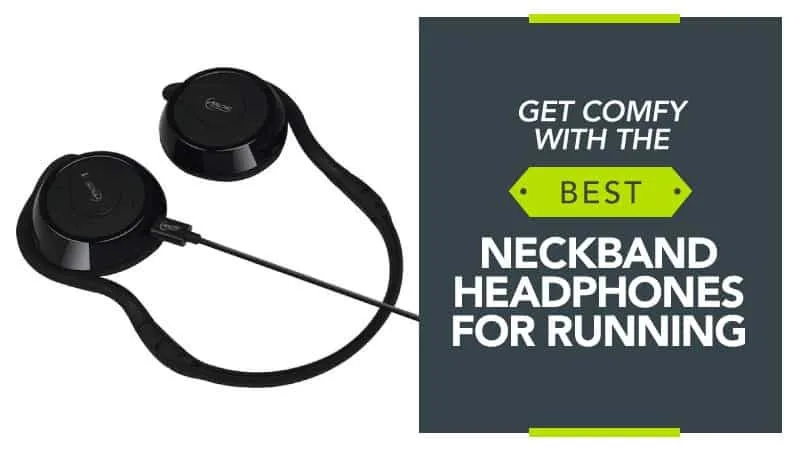
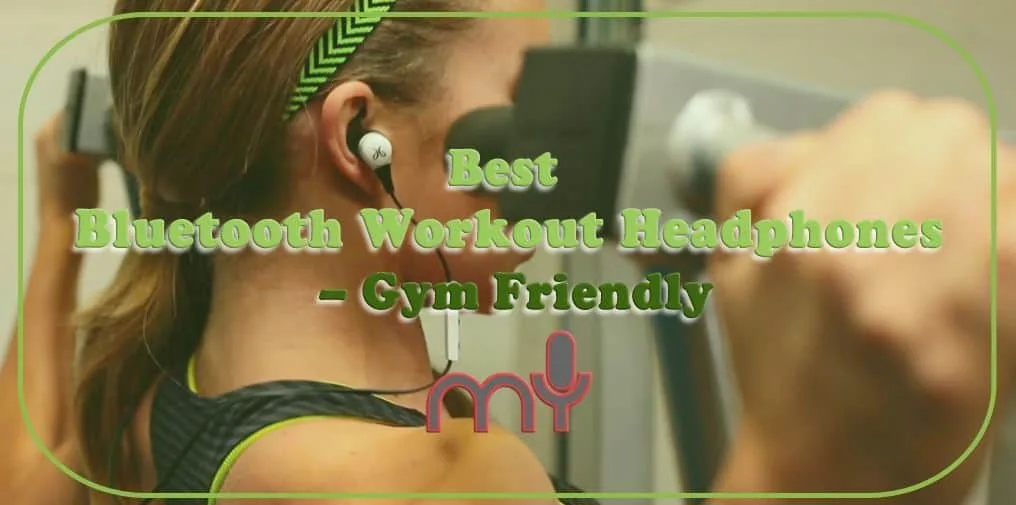
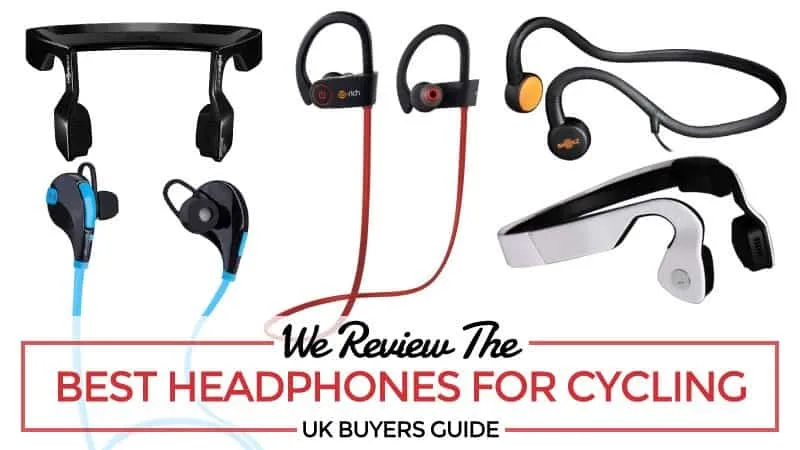
Headphones for exercise need to stay put, survive sweat and rain and, in many cases, let you hear what’s going on around you. This sub-topic covers headphones for running, cycling, the gym and swimming, including neckband and waterproof designs.
Headphone Guides
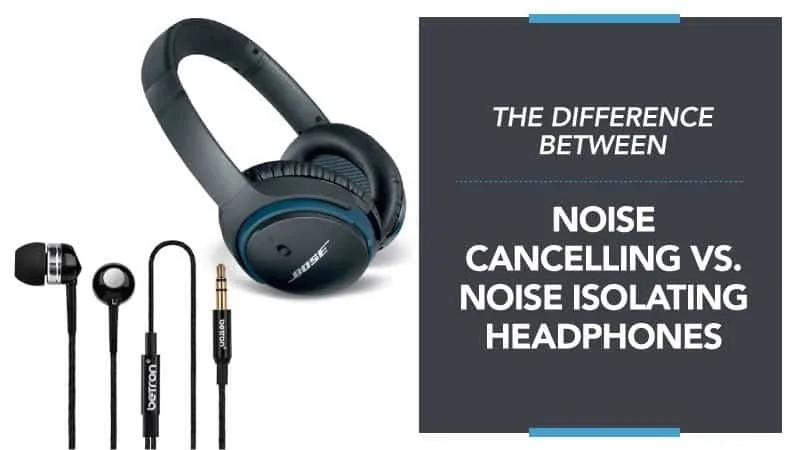
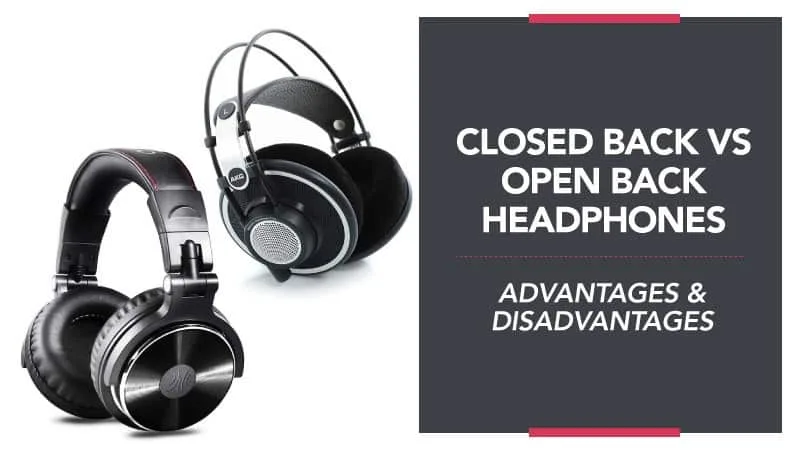
Not sure whether you want over-ear or on-ear, open-back or closed-back, noise cancelling or noise isolating? This sub-topic explains the different types, decodes specifications such as impedance and frequency response, and covers cleaning, care and customising.
How to narrow down your choice
Start with where you’ll use them, whether that’s on the commute, at a desk, in the gym, in bed or in a studio. Then decide whether you’d rather have wireless convenience or the simplicity of a cable, and set a budget in pounds before you start comparing. Comfort matters more than most people expect, especially for long sessions, so pay attention to weight, clamping pressure and ear pad material. If you’re buying for a child, look for volume-limited models designed for their age.
Looking after your hearing
Listening at high volume can damage your hearing permanently, especially over long periods. Keep the volume at a comfortable level, take breaks, and use noise cancelling or good isolation so you aren’t turning the music up to drown out background noise. If you run or cycle near traffic, choose a design that lets you hear your surroundings and stay alert to what’s going on around you.